Understanding AML Compliance for Digital Marketplaces
Anti-money-laundering rules are the invisible framework that governs how money moves across the digital economy. They explain why platforms ask for identification, why limits exist, and why some transactions trigger extra review. For anyone operating in a digital marketplace — as a buyer, a seller, or an operator — a working understanding of AML turns confusing friction into predictable process. This guide demystifies what AML compliance is, why it exists, and how it shapes the everyday experience of online commerce.
What AML Compliance Actually Is
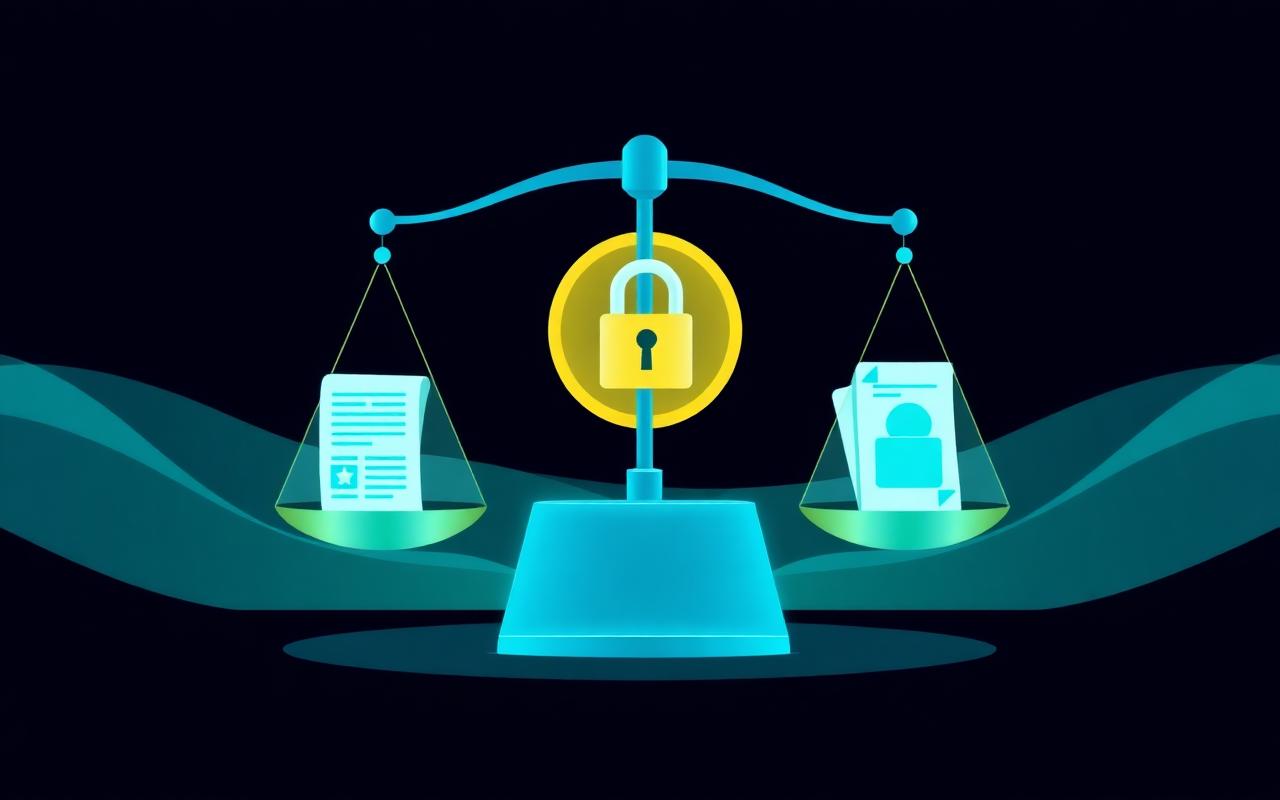
Anti-money-laundering, or AML, refers to the set of laws, regulations, and procedures designed to stop criminals from disguising illegally obtained funds as legitimate income. Money laundering is the process of making dirty money look clean, and AML rules exist to detect and disrupt that process wherever money changes hands.
For digital marketplaces and financial platforms, AML translates into concrete obligations: verifying who their customers are, monitoring transactions for suspicious patterns, and reporting activity that meets certain thresholds. These are not optional best practices but legal requirements with serious consequences for failure.
Understanding AML as a system of risk management rather than bureaucratic box-ticking is helpful. Every check a platform performs is an attempt to answer one question: is this activity what it appears to be? When the answer is clearly yes, friction is minimal; when it is uncertain, scrutiny increases.
The Role of KYC Within AML
Know Your Customer, or KYC, is the cornerstone of AML compliance. Before a platform can monitor activity for signs of laundering, it must first establish who its customers are. KYC is the identity-verification process that makes everything else in the AML framework possible.
This is why verification levels exist and why higher tiers unlock higher limits. A platform that knows a customer thoroughly can account for larger, more complex activity with confidence. A platform that knows little must keep limits tight, because it cannot distinguish legitimate behavior from suspicious behavior with so little information.
KYC and AML are therefore two sides of the same coin. KYC answers who you are; AML watches what you do. Together they let a platform extend trust proportionate to the information it holds, which is exactly why completing verification opens doors that remain closed to anonymous users.
Transaction Monitoring and Red Flags
Beyond verifying identity, platforms continuously watch how funds move. Automated systems look for patterns that historically indicate laundering: rapid movement of funds, transactions structured to stay just under reporting thresholds, or activity that does not fit a customer's established profile.
When something looks unusual, the platform may pause the activity for review or request additional information. This is not an accusation; it is the system doing its job. Responding promptly and providing clear documentation is the fastest way to resolve such reviews and demonstrate that your activity is legitimate.
The most reliable way to avoid triggering these reviews is consistency. Activity that matches your verified profile rarely raises flags, while sudden, dramatic changes invite scrutiny. Predictable, well-documented behavior is the friend of anyone who wants their transactions to flow without interruption.
What This Means for Buyers
For an ordinary buyer, AML compliance mostly explains the rules you already encounter. The identity checks, the limits tied to verification, and the occasional request for documents are all expressions of the same underlying framework. Seeing them as part of a coherent system makes them far less frustrating.
The practical takeaway is to keep your information accurate and your activity consistent. An up-to-date identity, current documents, and behavior that matches your declared profile keep you comfortably within the bounds the system expects, so you rarely encounter friction at all.
When you do face a verification request, treat it as routine rather than alarming. Respond quickly, provide what is asked, and keep your records organized. The customers who experience AML as a minor formality are simply the ones who stay prepared.
What This Means for Sellers and Operators
For those running a marketplace, AML compliance is a foundational responsibility rather than an afterthought. Failing to verify customers, monitor activity, or report when required exposes a business to severe legal and financial risk, and can end an operation entirely.
Building compliance into the design of a platform from the start is far easier than retrofitting it later. Clear verification flows, sensible limits, and transparent policies both satisfy obligations and reassure honest customers that they are dealing with a serious, legitimate operation.
Compliance also doubles as a trust signal. A marketplace that visibly takes verification and security seriously attracts the kind of customers who value reliability, while deterring the bad actors who prefer lawless environments. Done well, AML compliance is not just a cost but a competitive advantage.
Staying on the Right Side of the Rules
The simplest principle for staying compliant is honesty. Provide accurate information, declare activity truthfully, and never attempt to disguise the nature or source of funds. The vast majority of friction people experience comes from inconsistency, not from any wrongdoing, and honesty eliminates it.
Keep documentation current and accessible. Expired identification and outdated records are among the most common reasons accounts get flagged. A few minutes of housekeeping prevents the bulk of avoidable interruptions and keeps your standing with any platform healthy.
Finally, understand that AML rules evolve. Regulations tighten, thresholds shift, and platforms update their procedures in response. Staying broadly aware of these changes lets you adapt smoothly rather than being caught off guard, ensuring your activity continues to flow without surprise.
Key takeaways
- AML rules exist to stop criminals from disguising illegal funds as legitimate.
- KYC underpins AML by establishing who each customer actually is.
- Transaction monitoring flags activity that breaks from your normal profile.
- Buyers avoid friction by keeping information accurate and behavior consistent.
- For operators, strong compliance is both a legal duty and a trust advantage.
Ready to get a verified account?
Browse the marketplace and complete a secure guest checkout — no login required.
Explore the marketplaceContinue reading

Building a Recovery Plan for Your Verified Account
Read: Building a Recovery Plan for Your Verified Account →
Tax Considerations When Using Verified Accounts in 2026
Read: Tax Considerations When Using Verified Accounts in 2026 →