Governance Best Practices for Business Accounts
As a business grows, the casual habits that worked for a solo operator become liabilities. Shared passwords, unclear approvals, and no audit trail are fine until they are not — and the failure usually arrives at the worst possible moment. This guide lays out governance practices that keep business accounts secure, accountable, and scalable.
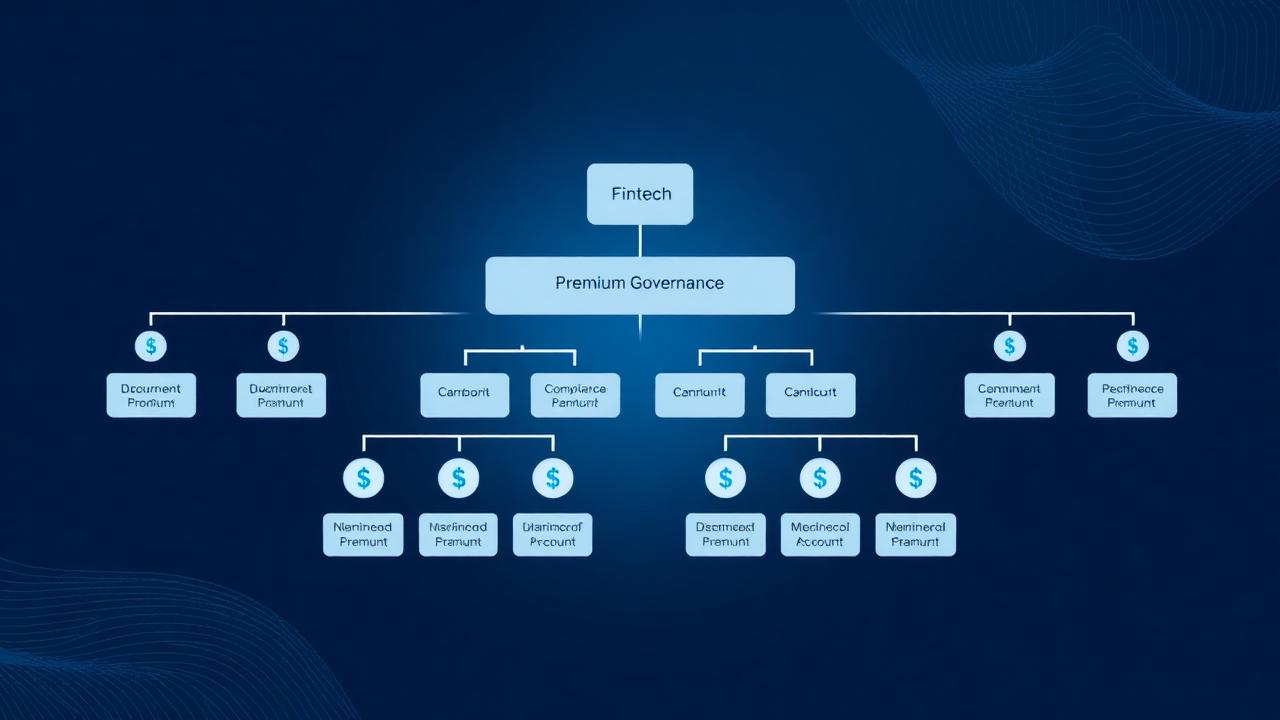
Separate Roles and Responsibilities
The foundation of account governance is the principle of least privilege: each person should have exactly the access their role requires, and no more. A team member who only needs to view reports should not be able to move funds or change security settings.
Clearly defined roles reduce both accidental mistakes and the damage a compromised account can cause. When access is tightly scoped, a single breached credential exposes only a narrow slice of capability rather than the entire operation.
Document who holds which role and review it as people join, change responsibilities, or leave. Access that lingers after someone's role changes is a common and avoidable vulnerability. Governance is as much about removing access as granting it.
Require Approvals for Critical Actions
High-impact actions — large transfers, changes to recovery details, new user additions — should require more than one person's sign-off. Approval workflows turn a single point of failure into a checkpoint that catches errors and fraud alike.
This is not about distrust; it is about resilience. Even the most careful person makes mistakes, and even the most trusted account can be compromised. A second set of eyes on critical actions protects everyone, including the person taking the action.
Set thresholds that match your business. Routine, low-value actions need not be slowed by approvals, but anything that could cause serious harm if wrong or malicious deserves a deliberate, multi-party check.
Centralize Credential Management
Shared passwords scribbled in messages or spreadsheets are a governance disaster waiting to happen. Centralize credentials in a proper management system that controls who can access what and records every use.
A centralized approach lets you rotate credentials, revoke access instantly when someone leaves, and avoid the chaos of nobody knowing who holds which login. It turns credential management from a liability into a controlled, auditable process.
Pair this with strong, unique passwords and two-factor authentication on every account. The combination of centralized control and strong individual security dramatically reduces the most common paths to compromise.
Maintain an Audit Trail
You cannot govern what you cannot see. Maintain a clear record of who did what and when across your accounts. An audit trail is essential for spotting problems, investigating incidents, and demonstrating accountability.
Regularly review activity for anything unusual. Unexpected logins, atypical transactions, or changes to critical settings should prompt immediate investigation. The sooner an anomaly is caught, the smaller the damage it can cause.
Audit trails also protect honest team members. When everyone's actions are recorded, disputes are resolved by evidence rather than accusation, and the whole organization operates with greater clarity and confidence.
Plan for Continuity
Businesses must survive the departure or absence of any individual. If only one person knows how to access a critical account, that account is one resignation or emergency away from being locked away. Plan for continuity from the start.
Ensure that recovery details, backup codes, and access procedures are documented and securely available to authorized leaders. This is not a contradiction of least privilege; it is the safeguard that keeps the business running when the unexpected happens.
Test your continuity plan periodically. A plan that exists only on paper and has never been verified is a false comfort. Confirm that the right people can actually regain access when they need to, before they need to.
Review and Adapt as You Grow
Governance is not a one-time setup. The structure that fits a five-person team strains at fifty and breaks at five hundred. Schedule regular reviews to ensure your controls still match your size, complexity, and risk.
As you grow, expect to add roles, tighten approvals, and formalize processes that were once informal. This evolution is healthy. The businesses that scale safely are the ones that treat governance as a living system rather than a fixed configuration.
Strong governance is ultimately an investment in trust — with customers, partners, and your own team. Accounts that are well-controlled, accountable, and resilient are a competitive advantage, freeing you to grow without the fear that one mistake could undo everything.
Key takeaways
- Apply least privilege so each role has only the access it needs.
- Require multi-party approvals for high-impact actions.
- Centralize credentials and enforce strong authentication everywhere.
- Maintain an audit trail and review activity for anomalies.
- Plan for continuity and revisit governance as the business scales.
Ready to get a verified account?
Browse the marketplace and complete a secure guest checkout — no login required.
Explore the marketplaceContinue reading

Building a Recovery Plan for Your Verified Account
Read: Building a Recovery Plan for Your Verified Account →
Tax Considerations When Using Verified Accounts in 2026
Read: Tax Considerations When Using Verified Accounts in 2026 →