The Future of Digital Identity and Verification
How we prove who we are online is undergoing a quiet revolution. The clunky, document-heavy verification of the past is giving way to faster, smarter, and more user-controlled approaches. Understanding where digital identity is headed helps you anticipate the changes coming to every platform you use. This article explores the trends shaping the future of identity and verification.
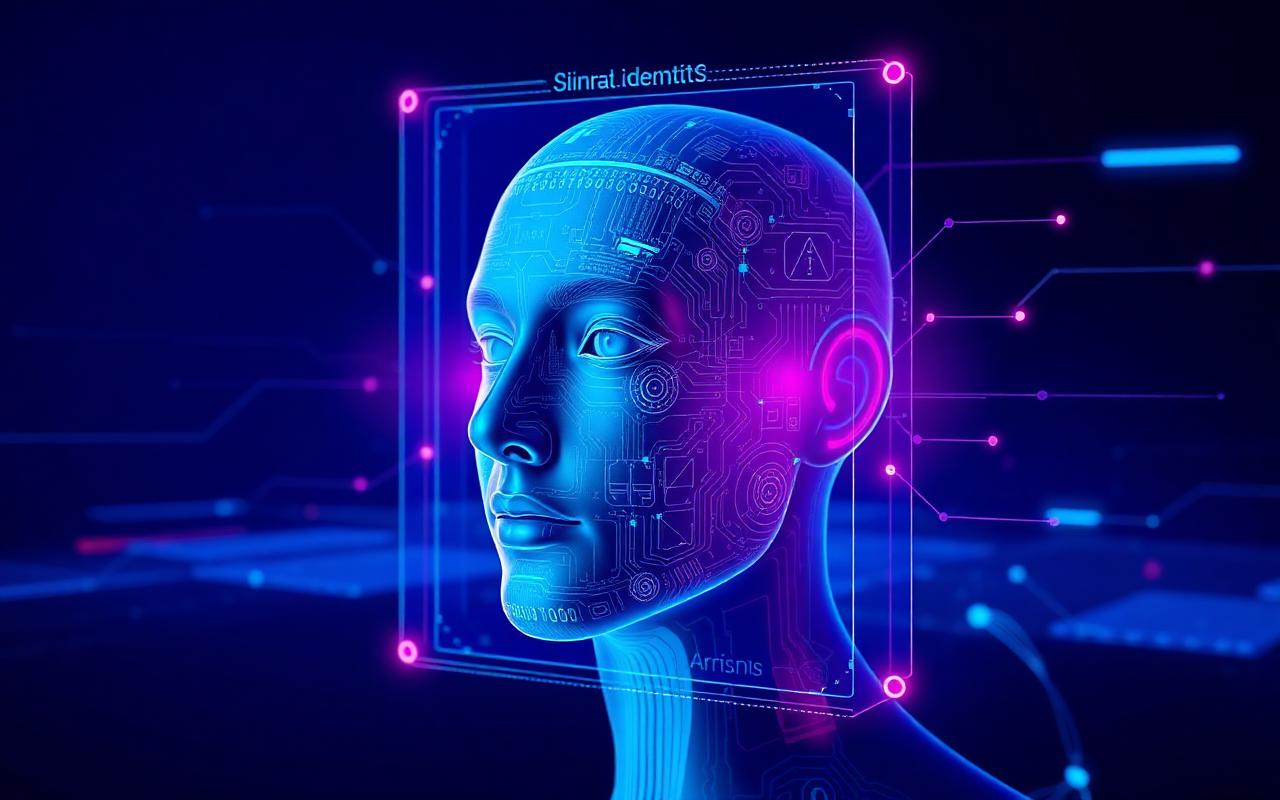
From Documents to Continuous Trust
Traditional verification treats identity as a one-time checkpoint: submit your documents, get approved, and you are done. The emerging model is continuous, treating trust as something that is constantly assessed based on behavior rather than confirmed once and forgotten.
This shift makes verification both more secure and more seamless. Instead of a single gate that can be fooled, platforms build an ongoing picture of legitimacy. For honest users, this means fewer interruptions; for bad actors, it means far fewer opportunities.
The implication is that identity is becoming a relationship rather than a transaction. The longer and more consistently you engage with a platform, the more trust you accrue — and the smoother your experience becomes over time.
Biometrics and Liveness
Biometric verification — using your face, fingerprint, or other unique traits — is rapidly becoming standard. It offers a powerful combination of security and convenience: hard to fake, yet effortless to use. A glance or a touch replaces a forgotten password.
Liveness detection adds a critical layer, confirming that a real, present person is being verified rather than a photo or recording. As these technologies mature, they make impersonation dramatically more difficult while keeping the experience fast for legitimate users.
The trajectory is toward verification that feels invisible. The goal is a future where proving you are you requires no friction at all — where security operates quietly in the background rather than demanding your active effort.
User-Controlled Identity
One of the most significant trends is the move toward user-controlled identity, where individuals hold and selectively share their own verified credentials rather than re-submitting documents to every new service. This puts people back in control of their own information.
The appeal is both privacy and convenience. Instead of scattering copies of your identity across countless platforms, you maintain a verified identity and reveal only what each service genuinely needs. This minimizes exposure while streamlining access.
While these systems are still maturing, their direction is clear: a future in which proving your identity is something you do once and reuse everywhere, on your own terms. The balance of power shifts from institutions to individuals.
Smarter Risk Assessment
Behind the scenes, verification is becoming far more intelligent. Rather than applying the same rigid checks to everyone, modern systems assess risk dynamically, applying more scrutiny where it is warranted and less where it is not. This makes verification both more effective and less burdensome.
For honest users, smarter assessment means a smoother ride. When a system can recognize legitimate behavior, it stops treating every user as a potential threat. The friction is concentrated where the risk actually is.
This intelligence also strengthens defenses. By learning the patterns of fraud and adapting in real time, advanced systems catch threats that static rules would miss. The result is a safer environment for everyone operating honestly.
Preparing for What Comes Next
The pace of change means the verification you encounter today will look different tomorrow. Staying informed about these trends helps you adapt smoothly rather than being caught off guard by new requirements or capabilities.
The fundamentals, however, endure. Keeping your information accurate, your security strong, and your behavior consistent will serve you well regardless of how the technology evolves. Good habits are timeless.
Ultimately, the future of digital identity points toward a world that is simultaneously more secure and more convenient — where trust is continuous, verification is seamless, and individuals retain greater control over their own identities. For anyone operating online, that is a future worth preparing for.
Key takeaways
- Verification is shifting from one-time checks to continuous trust.
- Biometrics and liveness detection make impersonation far harder.
- User-controlled identity gives individuals more privacy and convenience.
- Smarter, risk-based assessment reduces friction for honest users.
- Accurate information, strong security, and consistency remain timeless habits.
Ready to get a verified account?
Browse the marketplace and complete a secure guest checkout — no login required.
Explore the marketplaceContinue reading

Building a Recovery Plan for Your Verified Account
Read: Building a Recovery Plan for Your Verified Account →
Tax Considerations When Using Verified Accounts in 2026
Read: Tax Considerations When Using Verified Accounts in 2026 →