The Role of Escrow in Safe Online Transactions
In any transaction between strangers, someone has to move first — and whoever moves first carries the risk. Escrow exists to solve that problem. By placing funds with a trusted third party until both sides have done their part, escrow removes the dangerous moment where one party has paid and the other has not yet delivered. For higher-value digital transactions in particular, understanding escrow can mean the difference between a confident purchase and a costly gamble. This guide explains how escrow works and when it is worth using.
The Problem Escrow Solves
Every transaction between parties who do not yet trust each other contains a fundamental tension. The buyer does not want to pay before receiving what they bought, and the seller does not want to deliver before being paid. Without a mechanism to resolve this standoff, one side must simply trust the other and accept the risk.
That risk is exactly where fraud thrives. A dishonest seller can take payment and vanish; a dishonest buyer can receive goods and dispute the charge. The first-mover problem is the single biggest vulnerability in transactions between strangers, and it grows more dangerous as the value at stake rises.
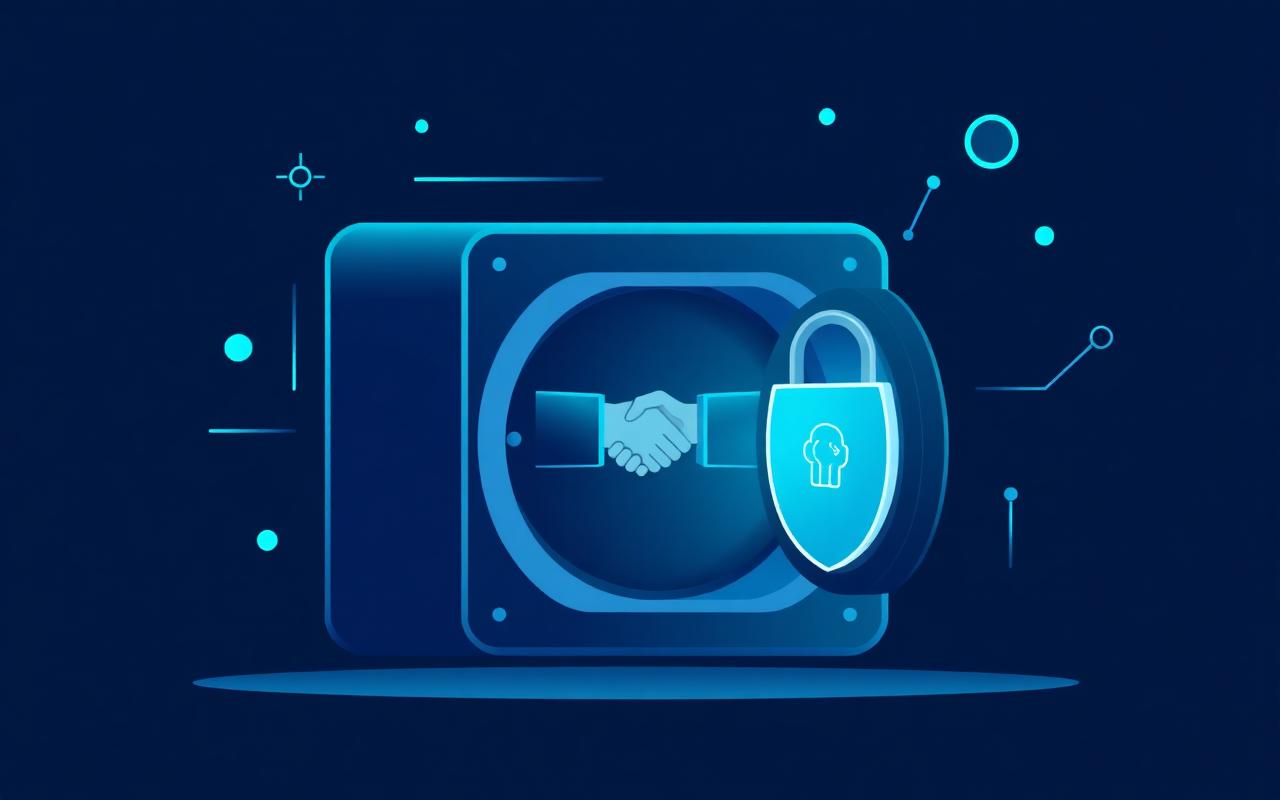
Escrow neutralizes this tension by inserting a neutral third party between buyer and seller. Instead of trusting each other, both sides trust the escrow service, which has no stake in cheating either of them. That shift transforms a risky leap of faith into a structured, protected process.
How Escrow Works Step by Step
The process is straightforward. First, the buyer sends payment not to the seller but to the escrow service, which holds it securely. The seller can see that funds are committed, which gives them confidence to proceed, while the buyer's money remains protected rather than handed over outright.
Next, the seller delivers what was agreed. Once the buyer confirms that they have received exactly what they paid for — or a set inspection period passes without a valid complaint — the escrow service releases the funds to the seller. Only then does the money complete its journey.
If something goes wrong, escrow provides a structured path to resolution rather than a he-said-she-said dispute. The funds remain held while the issue is examined, ensuring that neither party can simply walk away with both the money and the goods. This balance of protection is the heart of escrow's value.
Protection for Both Sides
Escrow is often described as buyer protection, but it safeguards sellers just as much. A seller who delivers in good faith is protected against a buyer who would otherwise take the goods and reverse the payment. Both parties gain assurance that the other cannot cheat them once the process is underway.
This mutual protection is what makes escrow uniquely suited to transactions between strangers. Because neither side has to extend blind trust, both can proceed with confidence. The result is that deals which might otherwise never happen — because the risk felt too high — become possible.
The symmetry also discourages bad actors from participating at all. A scammer relies on the ability to take without giving, and escrow removes that ability from both directions. By design, it rewards honest behavior and frustrates dishonest behavior, which is exactly what a safe marketplace needs.
When Escrow Is Worth Using
Escrow shines in higher-value transactions where the cost of being wrong is significant. For a small purchase from a trusted source, the added step may not be worth it. But as the amount at stake grows, or as the parties become less familiar to each other, the protection escrow offers becomes increasingly valuable.
It is especially worthwhile when dealing with a new counterparty about whom you know little. The first transaction with an unfamiliar seller carries the most uncertainty, and escrow lets you proceed without staking your money on hope. Once trust is established, you may choose to transact more directly.
Consider escrow whenever the consequences of a deal going wrong would be hard to recover from. The modest cost and slight delay of escrow are a small price for the assurance that you will not lose a significant sum to a stranger who fails to deliver.
Choosing a Trustworthy Escrow Arrangement
The entire value of escrow rests on the trustworthiness of the third party holding the funds. A reputable, established escrow service or a marketplace with a built-in escrow mechanism is essential; an unknown or unverifiable intermediary defeats the purpose entirely and may itself be the scam.
Look for clear terms. A good escrow arrangement spells out exactly when funds are released, how disputes are handled, and what each party must do. Transparency about the process is a strong sign that the service is legitimate and that you understand the protection you are receiving.
Favor marketplaces that build escrow or equivalent protections into their platform. When the protection is part of the system rather than a separate arrangement you must set up yourself, it is easier to use correctly and harder to get wrong. Integrated buyer protection is one of the strongest reasons to transact within a reputable marketplace.
Escrow as Part of a Safe-Buying Strategy
Escrow is powerful, but it works best alongside other good habits rather than as a substitute for them. Vetting the counterparty, confirming exactly what you are buying, and keeping records all complement escrow and strengthen your overall position. Layered protection is more robust than any single safeguard.
Use escrow deliberately, not reflexively. Understanding when it adds real value — and when a trusted source and clear terms are sufficient — lets you apply it where it matters most. The aim is to match the level of protection to the level of risk in each transaction.
Above all, treat escrow as a tool for enabling trade safely rather than a sign that trade is dangerous. Its existence is what allows confident commerce between people who have never met. Understood and used well, it turns risky transactions into routine ones, which is precisely the foundation a healthy marketplace is built on.
Key takeaways
- Escrow solves the first-mover risk between parties who don't yet trust each other.
- Funds are held by a neutral third party until both sides fulfill the deal.
- It protects sellers as much as buyers, discouraging fraud in both directions.
- Escrow is most valuable for high-value deals and unfamiliar counterparties.
- Only use trustworthy, transparent escrow — ideally built into a reputable marketplace.
Ready to get a verified account?
Browse the marketplace and complete a secure guest checkout — no login required.
Explore the marketplaceContinue reading

Building a Recovery Plan for Your Verified Account
Read: Building a Recovery Plan for Your Verified Account →
Tax Considerations When Using Verified Accounts in 2026
Read: Tax Considerations When Using Verified Accounts in 2026 →